
Login Required
Login Required - Your first code block is the correct way to do what you want (with the exception of wrong indentation). However, @login_required is declarative, which can be nice. But the same principle applies, just wrap the view function of the class based view with the login_required decorator: I'm using the django message framework to show messages to users as well as the @login_required decorator on one of my views. The user object token is stored in localstorage. The @login_required decorator only decorates functions, not classes, you can make use of a mixin, or decorate the function that is the result of the.as_view() call. When the checking happens in your own code buried inside the. So if a user tries to access a certain view without being logged in, th. Callback = pattern.callback # no property setter is provided, so this will have to do. In your views, you import login_required and require login before each function. In your views, you import login_required and require login before each function. # this is a property that should return a callable, even if a string view name is given. For pattern in patterns(*args, **kw): @login_required should be used on entire function (a controller, to be more specific). So if a user tries to access a certain view without being logged in, th. Your first code block is the correct way to do what you want (with the exception of wrong indentation). However, @login_required is declarative, which can be nice. From flask.ext.login import loginmanager from flask.ext.login import usermixin from flask.ext.login import current_user from flask.ext.login import login_required from flask.ext.login import login_user from flask.ext.login import logout_user auth_print = blueprint('auth_print', __name__) login_manager = loginmanager() login_manager.login_view. Pass second approach this approach is not reliable since you won't have a defined variable holding your login url namespace You can create separate function with @login_required decorator: I'm using the django message framework to show messages to users as well as the @login_required decorator on one of my views. But the same principle applies, just wrap the view function of the class based view with the login_required decorator: @login_required should be used on entire function (a controller, to be more specific). When the checking happens in your. So if a user tries to access a certain view without being logged in, th. From flask.ext.login import loginmanager from flask.ext.login import usermixin from flask.ext.login import current_user from flask.ext.login import login_required from flask.ext.login import login_user from flask.ext.login import logout_user auth_print = blueprint('auth_print', __name__) login_manager = loginmanager() login_manager.login_view. Pass second approach this approach is not reliable since you won't have a. The auth0 auth.service is below. So if a user tries to access a certain view without being logged in, th. From django.contrib.auth.decorators import login_required @login_required() def view_name(request): When the checking happens in your own code buried inside the. For pattern in patterns(*args, **kw): When i login to my system using auth0 i console log the user object that is returned and that console log does contain the user object. Pass second approach this approach is not reliable since you won't have a defined variable holding your login url namespace Callback = pattern.callback # no property setter is provided, so this will have to. From django.contrib.auth.decorators import login_required @login_required() def view_name(request): I'm using the django message framework to show messages to users as well as the @login_required decorator on one of my views. You can create separate function with @login_required decorator: @login_required should be used on entire function (a controller, to be more specific). # this is a property that should return a callable,. When i login to my system using auth0 i console log the user object that is returned and that console log does contain the user object. The @login_required decorator only decorates functions, not classes, you can make use of a mixin, or decorate the function that is the result of the.as_view() call. From django.contrib.auth.decorators import login_required @login_required() def view_name(request): But. However, @login_required is declarative, which can be nice. In your views, you import login_required and require login before each function. When the checking happens in your own code buried inside the. Callback = pattern.callback # no property setter is provided, so this will have to do. @login_required should be used on entire function (a controller, to be more specific). The @login_required decorator only decorates functions, not classes, you can make use of a mixin, or decorate the function that is the result of the.as_view() call. Pass second approach this approach is not reliable since you won't have a defined variable holding your login url namespace # this is a property that should return a callable, even if a string. The user object token is stored in localstorage. Pass second approach this approach is not reliable since you won't have a defined variable holding your login url namespace Callback = pattern.callback # no property setter is provided, so this will have to do. Your first code block is the correct way to do what you want (with the exception of. # this is a property that should return a callable, even if a string view name is given. I'm using the django message framework to show messages to users as well as the @login_required decorator on one of my views. The @login_required decorator only decorates functions, not classes, you can make use of a mixin, or decorate the function that. When i login to my system using auth0 i console log the user object that is returned and that console log does contain the user object. Pass second approach this approach is not reliable since you won't have a defined variable holding your login url namespace When the checking happens in your own code buried inside the. So if a user tries to access a certain view without being logged in, th. Your first code block is the correct way to do what you want (with the exception of wrong indentation). @login_required should be used on entire function (a controller, to be more specific). However, @login_required is declarative, which can be nice. In your views, you import login_required and require login before each function. The @login_required decorator only decorates functions, not classes, you can make use of a mixin, or decorate the function that is the result of the.as_view() call. Callback = pattern.callback # no property setter is provided, so this will have to do. For pattern in patterns(*args, **kw): I'm using the django message framework to show messages to users as well as the @login_required decorator on one of my views. # this is a property that should return a callable, even if a string view name is given. The auth0 auth.service is below. From flask.ext.login import loginmanager from flask.ext.login import usermixin from flask.ext.login import current_user from flask.ext.login import login_required from flask.ext.login import login_user from flask.ext.login import logout_user auth_print = blueprint('auth_print', __name__) login_manager = loginmanager() login_manager.login_view.
Grunge Stamp Login Required Text. Vector Stamp Seals Use Blue Color, Stock Vector Illustration
Require Customers to Log In When Completing a Form Vagaro Support
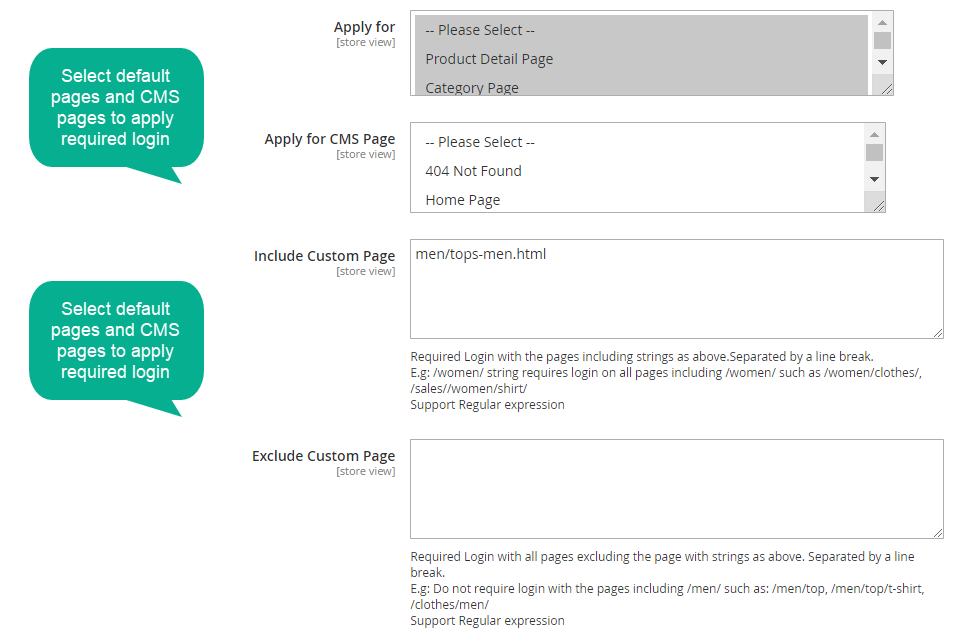
Required Login When and How to restrict page access

Login Required

How to Use Login Code Required in Facebook របៀបប្រើ Login Code Required ក្នុង Facebook YouTube
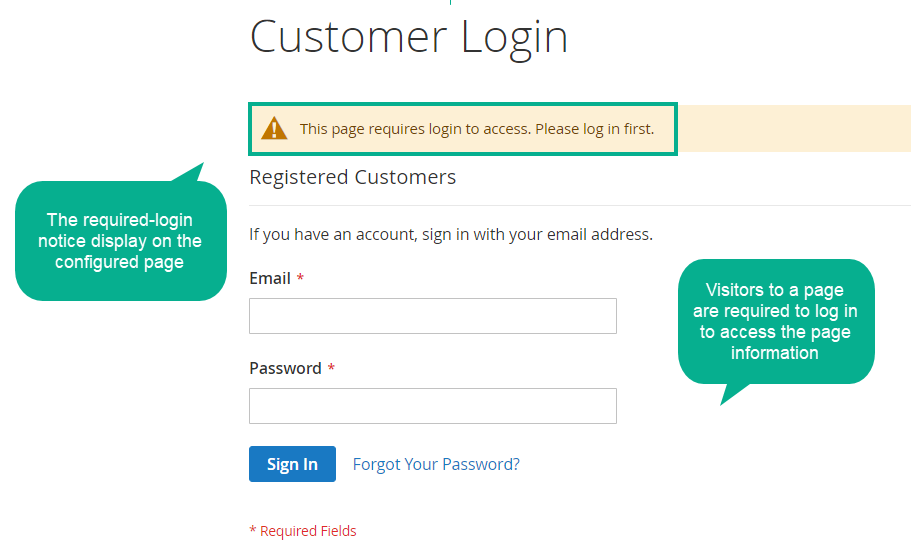
Required Login When and How to restrict page access

Requiring Login login_required. Python Django Web Framework Course. 26 YouTube

Login Required Sign Button Silver Medal Badge on a White Background Stock Vector Illustration

Red color inserted label with word login required on gray background Stock Vector Image & Art

modern login form interface design with username and password verloop.io
The User Object Token Is Stored In Localstorage.
But The Same Principle Applies, Just Wrap The View Function Of The Class Based View With The Login_Required Decorator:
From Django.contrib.auth.decorators Import Login_Required @Login_Required() Def View_Name(Request):
You Can Create Separate Function With @Login_Required Decorator:
Related Post: